The project “Ladda Kalmar Län och Glasrike” develops charging infrastructure in rural areas. ChargeNode delivers the hardware to over 240 charging points for a fossil-free future.
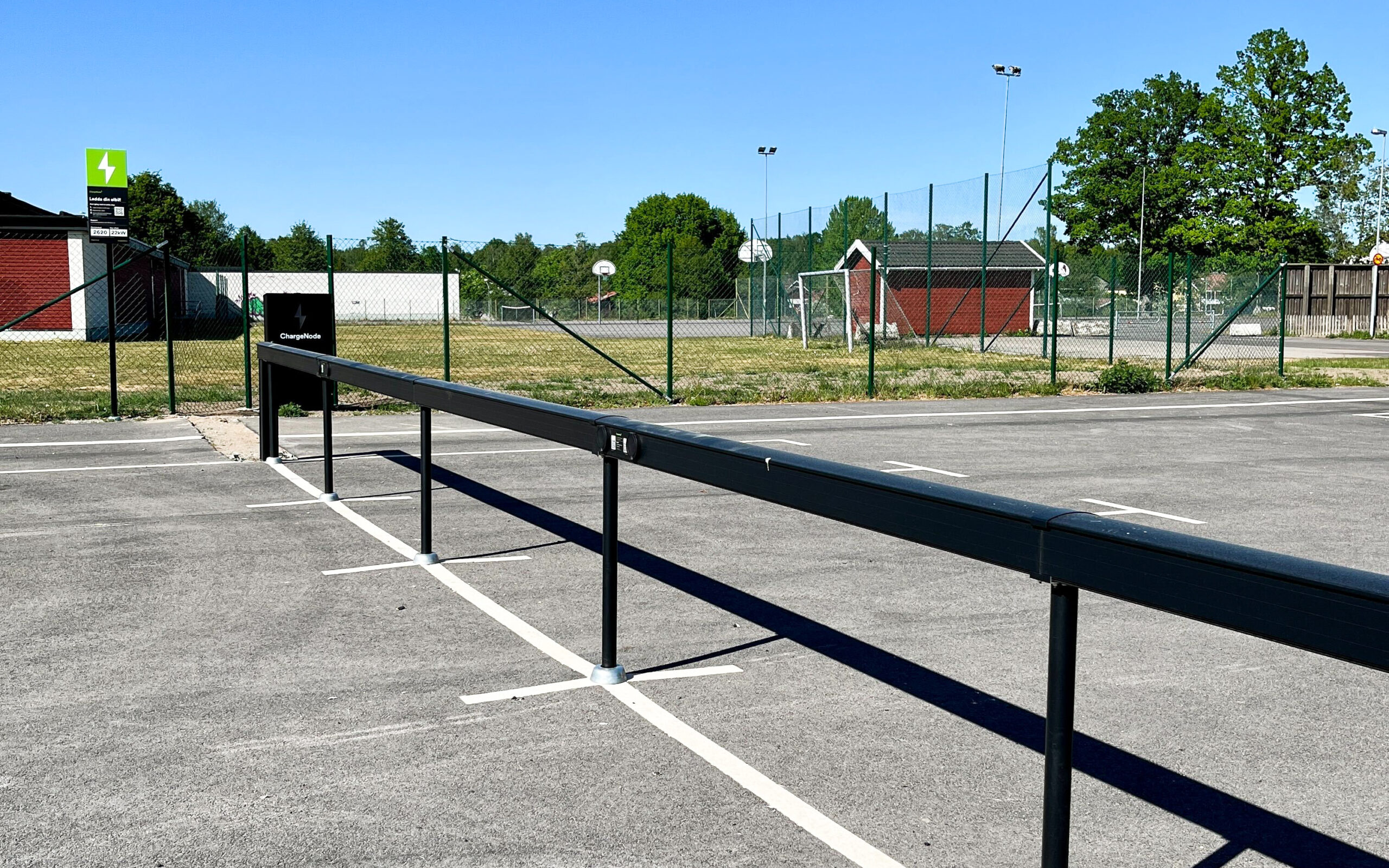
The project”Download Kalmar County and the Kingdom of Glass“is an initiative run by Environmental Vehicles Sweden and Coompanion with the aim of expanding the charging infrastructure in rural areas. It will be easier to charge your electric car even outside the big cities. ChargeNode has been trusted to supply all hardware for the project.
With a unique set-up, the region has created the conditions for approaching the goal of a fossil-free fleet of vehicles by 2030. In this transition, the infrastructure of electric vehicle charging plays an important role. But if it is to succeed, it has to happen across the country. It should be possible to travel even in rural areas, for example to trade and tourist destinations. Those who drive an electric car should be able to use it throughout Sweden!
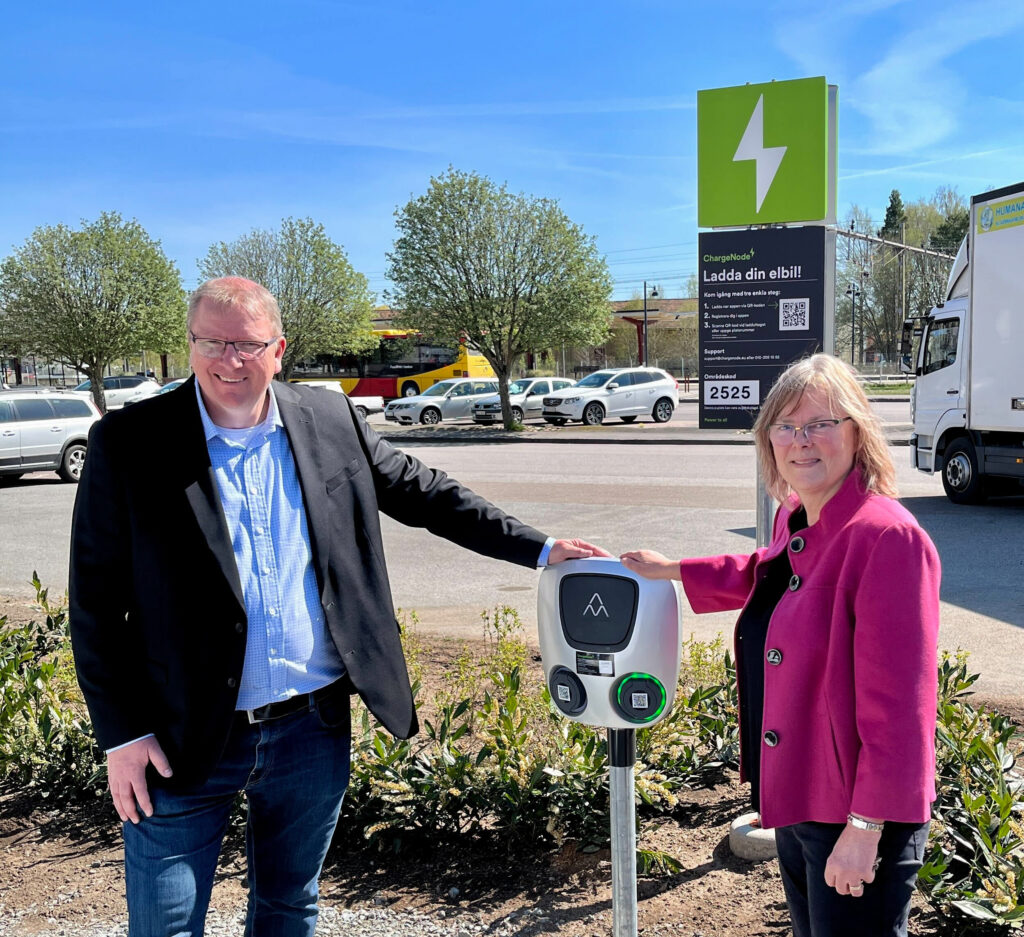
“The idea comes from Coompanion and Miljöwagen Sverige with the support of the region and interested municipalities and companies,” says Jonas Lööf of Miljöwagen Sverige, who is the operations manager and runs the project together with Ewa Engdahl at Coompanion.
Coompanion has carried out a feasibility study together with Miljövehicular Sweden with the aim of identifying suitable locations, financing arrangements and business models when it comes to large-scale expansion of charging infrastructure in rural areas in Kalmar County & the Glass Kingdom. The study identified over 200 points of interest for charging infrastructure.
“In 2022, we added another 300 seats,” explains Jonas Lööf. This interest initially resulted in applications for investment aid in 40 locations, all of which have now been granted aid and where Runes AB has undertaken to coordinate establishments with 240 charging points. After a procurement, the choice fell on ChargeNode, which now supplies all the hardware.
“In an evaluation conducted by a working group within the initiative, Opigo (now part of the Chargenode group) emerged as the most competitive with various solutions for Swedish-made hardware and functional charging services,” says Jonas.
The charging stations will be installed in car parks of various operators in the region. That means at least six charging points at each location, so-called destination chargers with a power of at least 10 kWh. However, depending on how many cars charge at the same time, the power can be up to 22 kWh. We have already inaugurated the first charging stations in Emmaboda, says Jonas, and every now and then we are installing new ones.
“We are very pleased to be involved and contribute to the expansion of the important infrastructure for electric car charging,” says Kristian Sandahl, founder of ChargeNode. Now there is a good basis for an exciting continuation. We have the organization to deliver both the hardware as in this project, but also a smart charging service that simplifies the administration of all large-scale electric car charging.
“There is a great need to build a large-scale public charging infrastructure throughout Kalmar and Kronoberg counties,” says Jonas Lööf. This arrangement provides the conditions for cooperation with other regions as well, and this can lead to further synergies.

ChargeNode operates the charging service behind Nästa Energy Lab — one of Europe's largest V2G projects, launched today in Torslanda. With 160 charging points and a proprietary charging platform, ChargeNode enables a system where vehicles, buildings and batteries interact in real time. A partnership with Buddy Energy and Volvo Cars sets a new standard for large-scale V2G integration.
.webp)
The government's proposal for individual charging rights risks creating technical chaos in Sweden's BRFs. ChargeNode explains why collective end-to-end solutions are essential for safe, equitable and sustainable electrification.
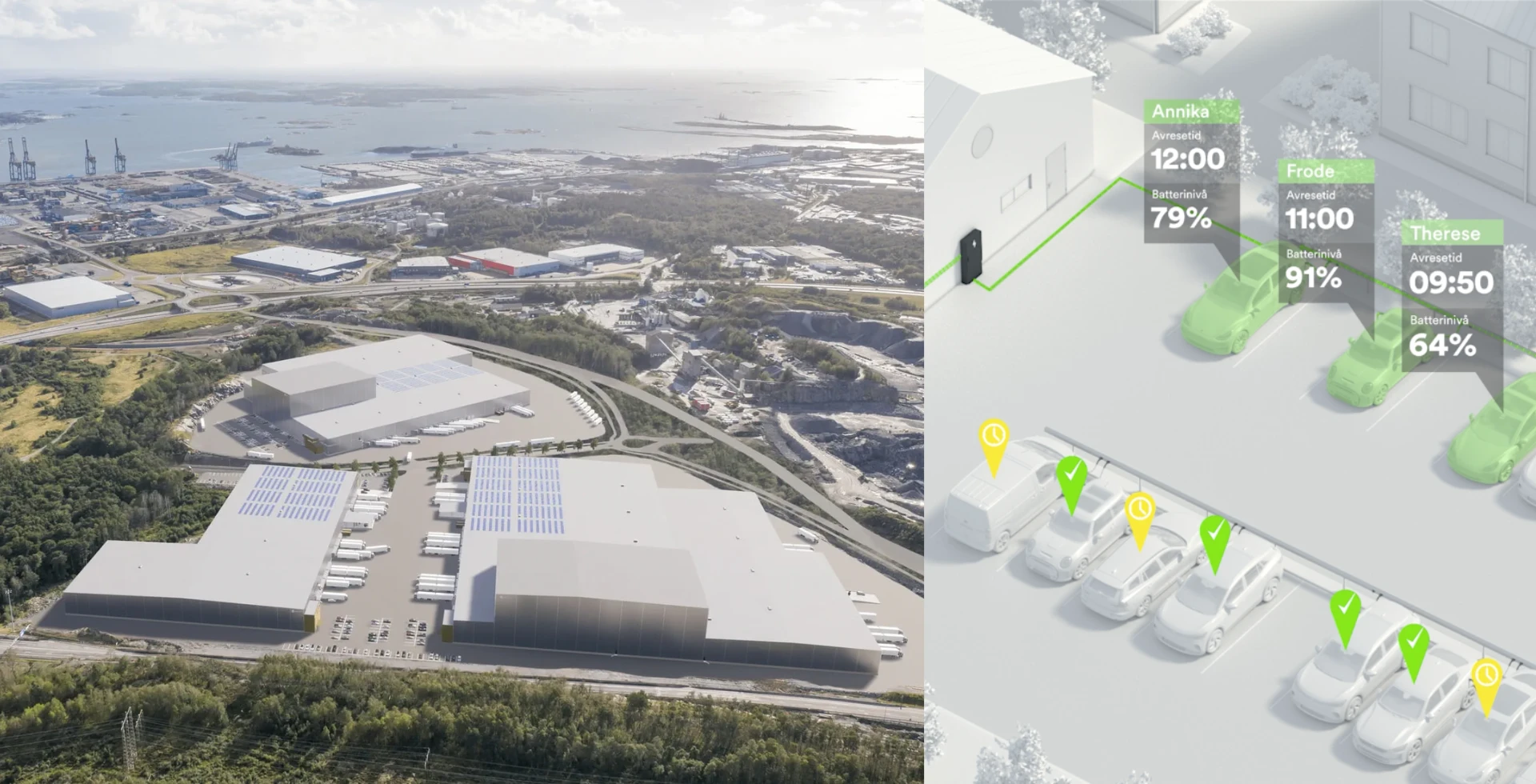
Buddy Energy and ChargeNode create an integrated energy solution in Halvorseng Logistics Park. Solar power, energy storage and smart charging make electrified logistics sustainable and profitable.
Charge Node Europe AB
Neongatan 4B
431 53 Molndal