Jula Logistics has built a complete, fossil-free transport ecosystem where ChargeNode is the strategic platform that makes shared charging possible for both its own and external electric trucks. The partnership ensures reliable, smart and user-friendly charging — a key to making electrification work in practice and scaling sustainably.
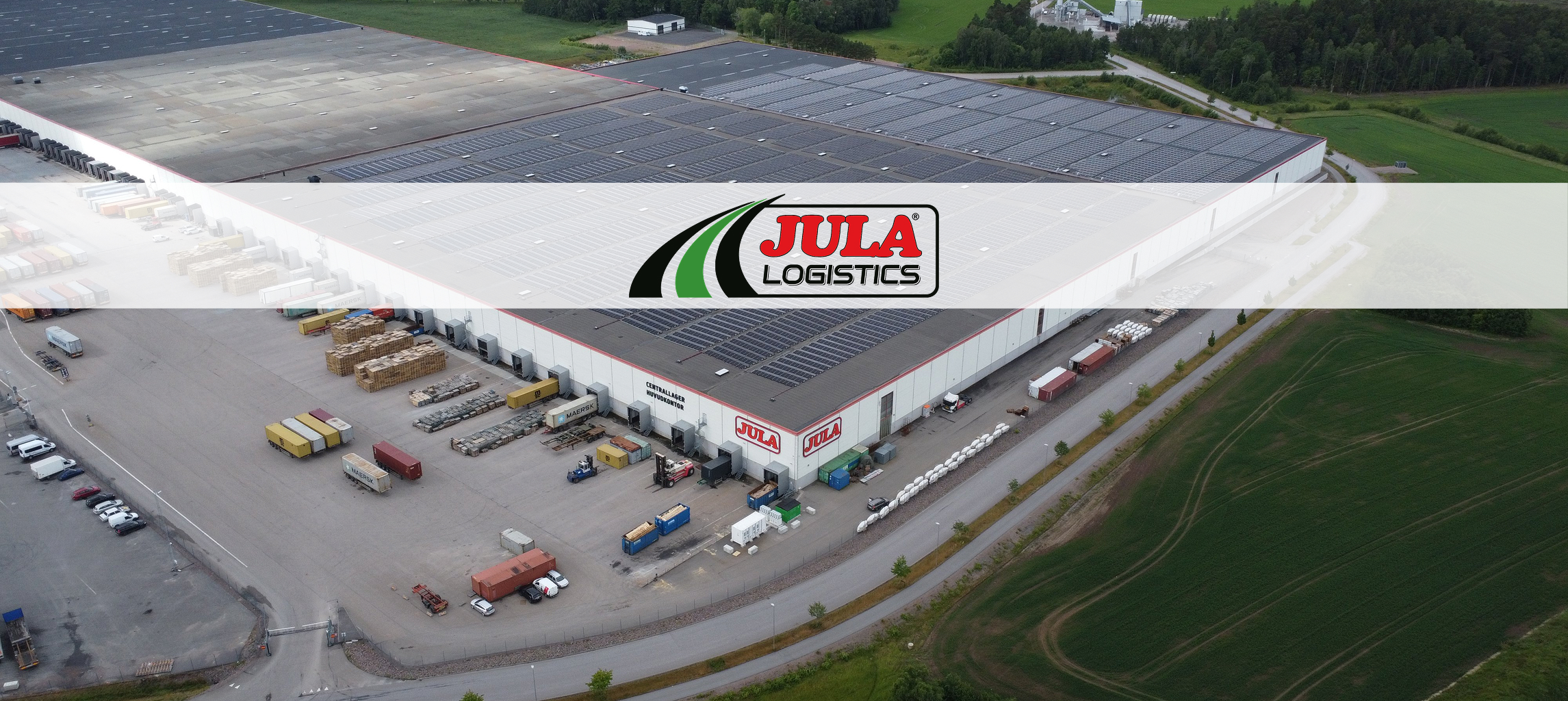
The successful electrification of Jula Logistics is an initiative in which many different efforts have been coordinated and several partners have been involved.
The combined efforts have resulted in a 70% reduction in energy consumption per unit transported.
Jula Logistics is a leading player in fossil-free logistics and has built an entire ecosystem for electrified transport. The network includes ChargeNode as a strategic platform partner for the charging infrastructure and enables Julas' own trucks as well as external haulers to utilize the same charger. A mission-critical function and an important example of how shared charging is crucial for the electrification of the transport sector.
For five years, Jula Logistics has been running one of Sweden's most ambitious investments in electrified freight transport. With 20 new Scania electric trucks measuring 34 metres and 64 tonnes gross weight, as well as extensive photovoltaic installations at both the central warehouse in Skara and the terminal in Falköping, the Group has created a complete ecosystem for fossil-free transport.
In addition to its own trucks, Jula Logistics has many haulage companies and logistics partners that it cooperates with. The sustainability requirements are high, but it was quickly realised that it is not enough to demand that suppliers run electrified.
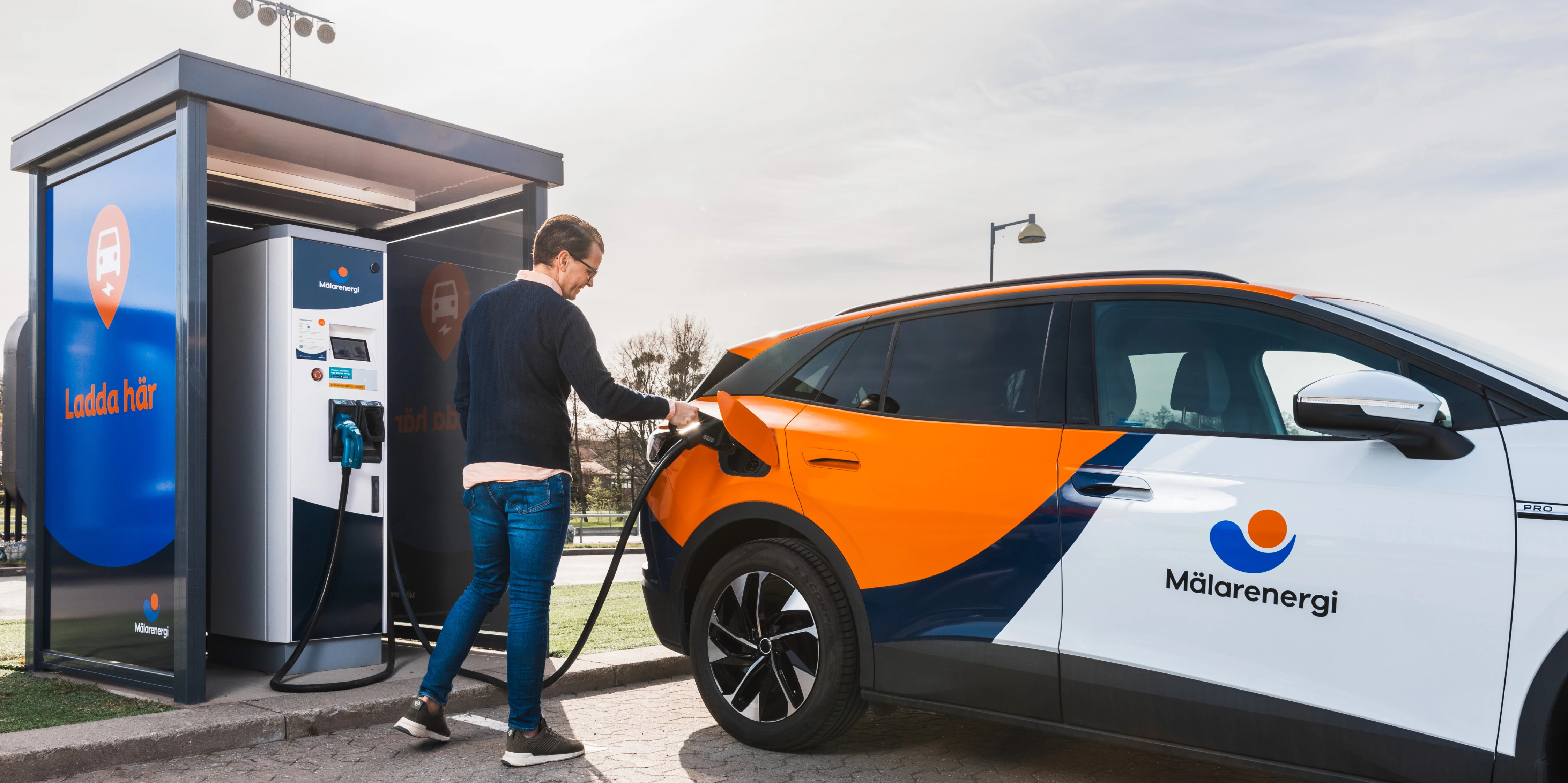
“We felt we couldn't be passive, we had to make it easy for our partners to do the right thing. That's why we decided to invest in public charging infrastructure where our partners could charge,” explains Lennart Karlsson, CEO at Jula Logistics.
When transport is electrified, charging becomes a mission-critical issue. Therefore, it is important that charging can be controlled with an easy-to-use system, which has alarm functions and the security of a support that responds 24/7. Therefore, to make the charging infrastructure accessible and usable, a stable platform was needed. Here the choice fell on ChargeNode as a strategic partner.
“It has been a very successful partnership. ChargeNode is responsive, we've developed things together. And the platform enables everything from payment methods, processes, invoicing, onboarding of new customers and the ability to follow up everything on a dashboard,” says Lennart Karlsson.
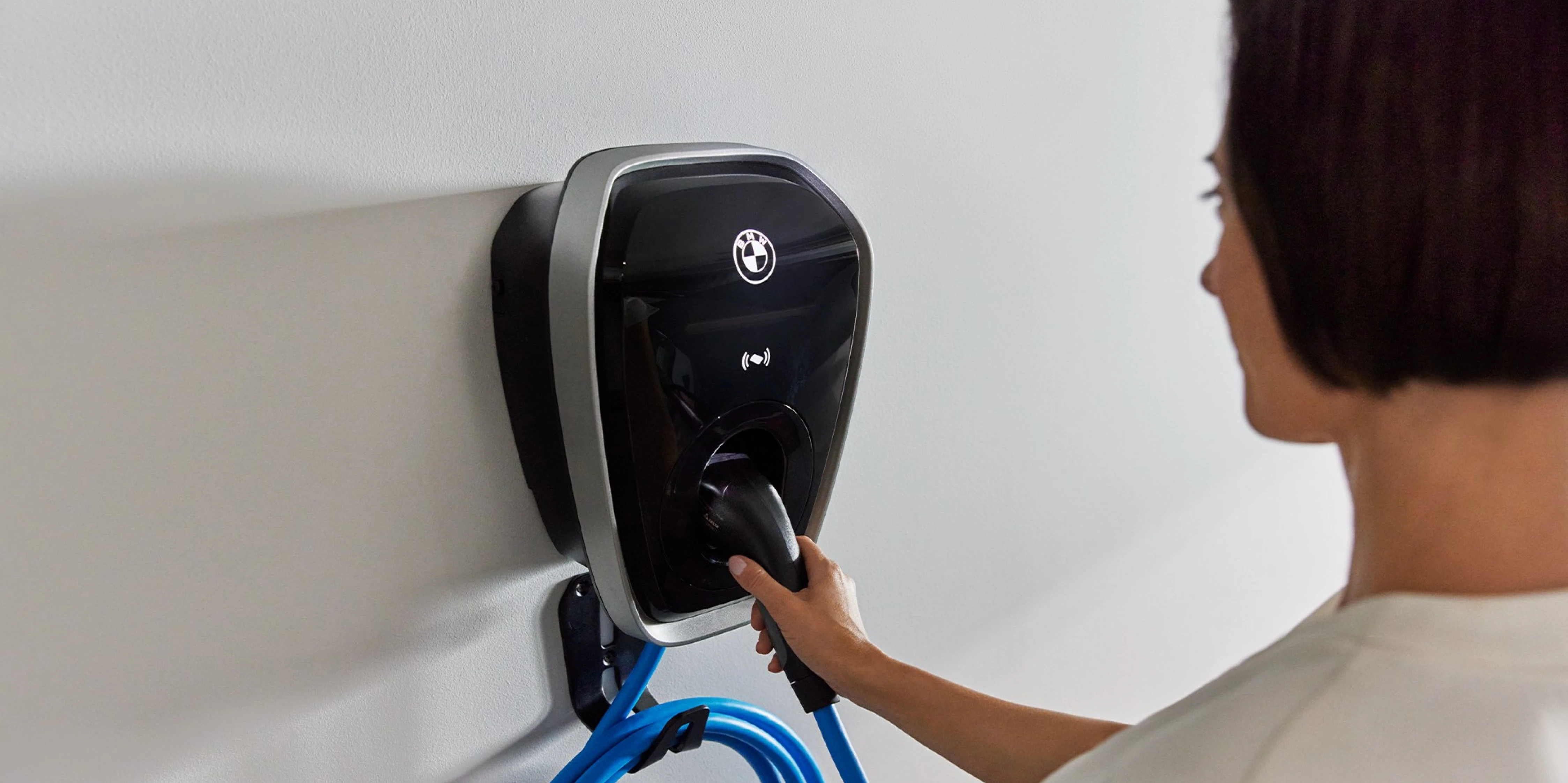
ChargeNode's platform offers a complete service that includes operation, support, and payment solutions. For Jula Logistics, this means that external partners can authenticate themselves with RFID cards, pay via app or use Plug & Charge functionality — all while Jula retains the visibility through ChargeNode's digital portal.
“Electrification of the transport sector needs to take place in partnership. Collaboration between actors is required, and infrastructure must be open and accessible. ChargeNode's platform gives us that flexibility while providing professional operations and 24/7 support,” says Lennart Karlsson.
According to him, external haulage companies have been very happy with ChargeNode.
— It has worked very well. They have found it smooth and they can choose between paying by app and tag. Ease of use is important.
For Jula Logistics, which produces its own electricity through photovoltaic installations of 8 MW in Skara and planned installations of 2.5 MW and 8.9 MW in Falköping, smart control is important to maximise the benefits of its own energy production.
“We have invested heavily in our own renewable energy production and energy storage. But for it to be economically sustainable, we also need to be able to control when charging takes place. In the future, we also see the importance of vehicle-to-grid solutions to avoid expensive power peaks. Then we need systems that support this,” explains Lennart Karlsson.
Jula Logistics' sustainable transport strategy is far more comprehensive than just charging infrastructure. The Group operates an intermodal logistics model in which goods arrive by boat to Gothenburg, are reloaded onto trains to Falköping, and then the final 60-kilometer distance to Skara is transported by electric truck.
The extra-long 34-foot electric trucks can transport two 40-foot containers instead of one, cutting the number of shipments in half and lowering energy consumption by 70 percent per unit transported. With 624 kWh batteries and 400 kW electric machines, the vehicles can drive several trips between Falköping and Skara on a single charge.
Jula Logistics has come a long way with its electrification, but there are many challenges for the industry — also politically.
“We see, for example, that it is difficult for small hauliers to make investment decisions when politicians change targets and regulations, when subsidies and fuel prices change. It becomes hateful and distorts competition,” he says.
Here he would have liked to have seen cross-bloc agreements. Jula Logistics themselves do what they can to create as much stability as possible for their partners.
Despite the challenges, Jula Logistics' development is proof that electrification of heavy transport is not only technically possible — it is also economically viable when the right partners and systems work together.
“With ChargeNode as a CPO partner, we have gained a platform that offers scalability and simplicity, and not least a valuable sounding board as we continue to develop our electrification,” says Lennart Karlsson.
Jula Logistics is part of the Jula Holding Group and operates as a green logistics partner with a focus on sustainable and efficient end-to-end solutions. By combining rail and truck transport, third party logistics (3PL) and development of logistics properties, the company creates an efficient ecosystem for goods flows. The business has its hub in Skaraborg, with a focus on Marjarp in Falköping and Jula's central warehouse in Skara and handles approximately 75,000 TEU per year. In addition to Jula's own operations, it has about 70 customers, including major players such as PostNord, Volvo Cars, Samskip, Ikea and Mio.


Charge Node Europe AB
Neongatan 4B
431 53 Molndal