Smart charging of electric cars can reduce power peaks and lower electricity prices in Sweden. With 740,000 rechargeable vehicles, the solution is near -- if we use the electricity strategically.
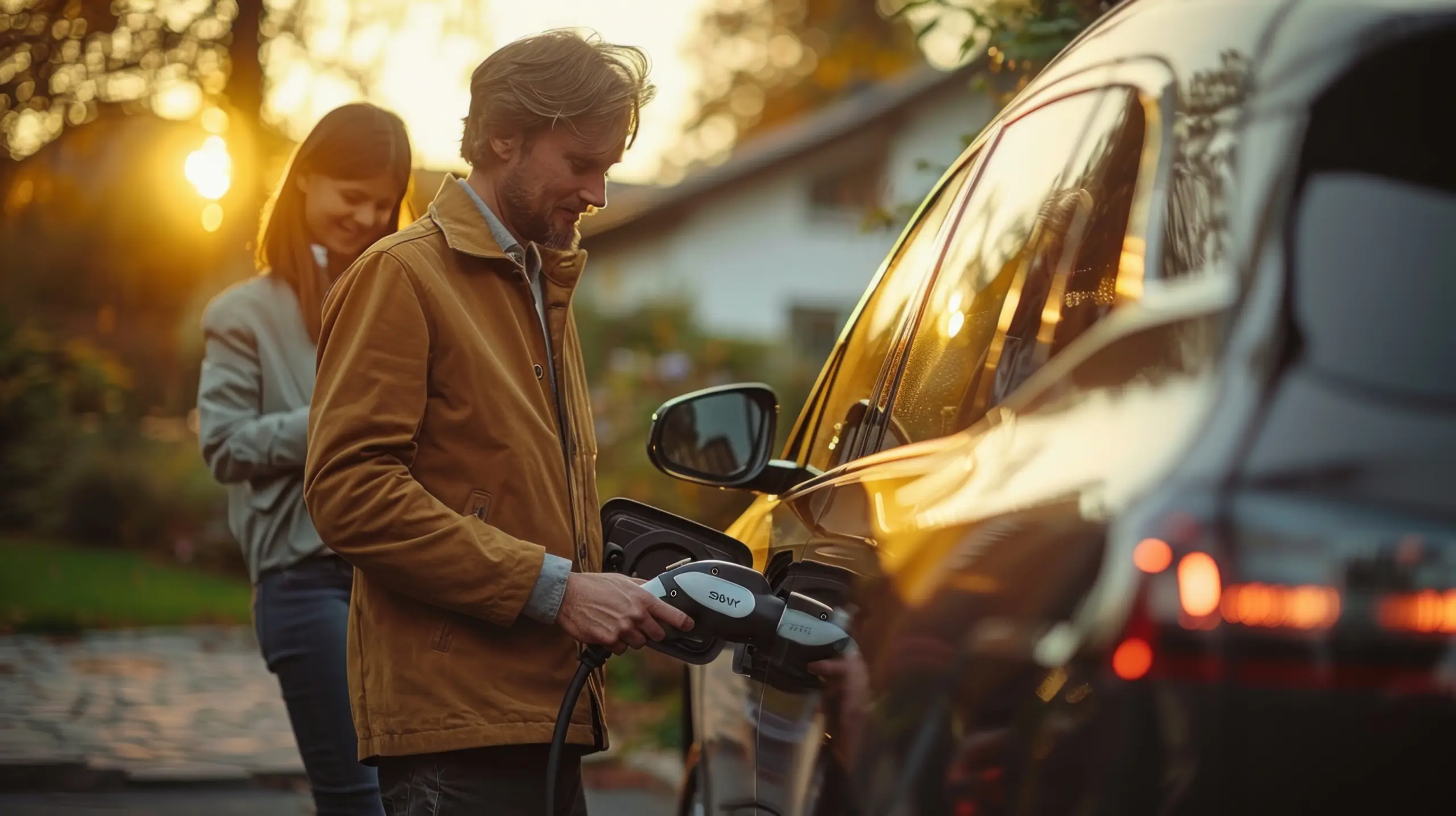
When the winter cold strikes and electricity prices soar, the solution to Sweden's energy crisis is already parked outside our homes. With over 740,000 rechargeable vehicles in the country Smart charging of electric cars could become the key to a resilient electric system — if we dare to think new things and use electricity strategically.
The winter cold is on the way. Electricity use is increasing and the electricity grid is burdened more when Sweden's houses are to be heated. At the same time, more and more households are worried about a rising electricity price.
In the geopolitically uncertain times we live in, there is broad political consensus on the importance of creating a resilient society with resilient electricity supply. It is a good thing. Still, politicians are having a hard time agreeing on the way there.
But perhaps part of the solution to Sweden's energy challenges is already parked outside Swedish homes? That's right, the electric car. But then it needs to be used correctly.
Swedish Kraftnets' report from May 2025 shows that in a normal winter, southern Sweden may need up to 7,700 MW more power during the coldest hours to cope with its supply. That's a power equivalent to seven nuclear reactors that are simply missing to meet demand.
At the same time, more than 740,000 rechargeable vehicles are parked around the country. In the long run, their batteries can become a significant energy buffer. But instead of being an asset, electric cars today are part of the problem.
They simply don't charge smartly enough. If more of Sweden's vehicles could be charged smarter, we could reduce our power peaks during peak load hours. If the charging of only one in seven cars could be controlled to night instead of in the evening, we could release up to 1,100 MW of power. That's equivalent to the power of an entire nuclear power plant, without building anything new.
The problem is simple to understand for anyone who drives an electric car: Most people charge when they get home from work between five and seven in the evening. Just like everyone else starts the stove, turns on the TV and warms up the home after a cold winter day.
Not only is this impractical, it's getting expensive and it's overloading the power grid. By 2027, all electricity suppliers must: charge extra for power peaks. This winter, many consumers will be aware of the power charges already introduced by an increasing number of electricity network companies. There are large potential savings for households that distribute their electricity use across the day, thus avoiding the most expensive hours.
But smart charging is not only a win for the household economy, it is also an important part of society's resilience. Your electric car does not need to be charged between five and seven in the evening. It needs to be fully charged when you drive to work the next morning. It applies to most owners of a rechargeable vehicle.
If, instead, all cars charged at night -- when there is plenty of electricity and prices are low -- both costs and the strain on the grid would decrease dramatically. A smart piece of software can do this automatically without you having to think about it.
When this happens on a large scale, the flexibility that we need is created.
Political debates often involve nuclear or wind power, new pipelines and simplified permitting processes. But rarely do we hear a word about the most obvious solution: using the electricity we have in a smarter way.
Swedish car owners are among the world's most digitally mature. We trade with Swish, stream movies and work from home. Allowing an app to control when the car is charging should therefore be self-evident. The challenge is to quickly roll out infrastructure, particularly in condominium associations and apartment buildings.
Instead of waiting for nuclear power that might be finished in 15 years, the government can act as early as today. Three concrete measures would change the situation within a year:
We will not solve the Swedish energy crisis only with more power plants and bigger cables. It is solved when we stop using electricity randomly and start using it strategically.
Your next electric car will likely be able to feed electricity back to the grid when needed. But already today, it can contribute to the solution by charging when it suits your system best — and your wallet.
The government has the chance to make Sweden a world leader in smart energy use. But it takes courage to break away from old patterns of thinking that energy problems are only solved with more production.
Millions of Swedish car owners are waiting to be part of the solution instead of the problem.
In this winter's energy test, we have the opportunity to take that chance. Because why get stuck in discussions when the solution is parked outside the door.
The choice is the politicians'. But time is scarce.
Annika Abraham, CEO ChargeNode
annika.abraham@chargenode.eu

ChargeNode operates the charging service behind Nästa Energy Lab — one of Europe's largest V2G projects, launched today in Torslanda. With 160 charging points and a proprietary charging platform, ChargeNode enables a system where vehicles, buildings and batteries interact in real time. A partnership with Buddy Energy and Volvo Cars sets a new standard for large-scale V2G integration.
.webp)
The government's proposal for individual charging rights risks creating technical chaos in Sweden's BRFs. ChargeNode explains why collective end-to-end solutions are essential for safe, equitable and sustainable electrification.
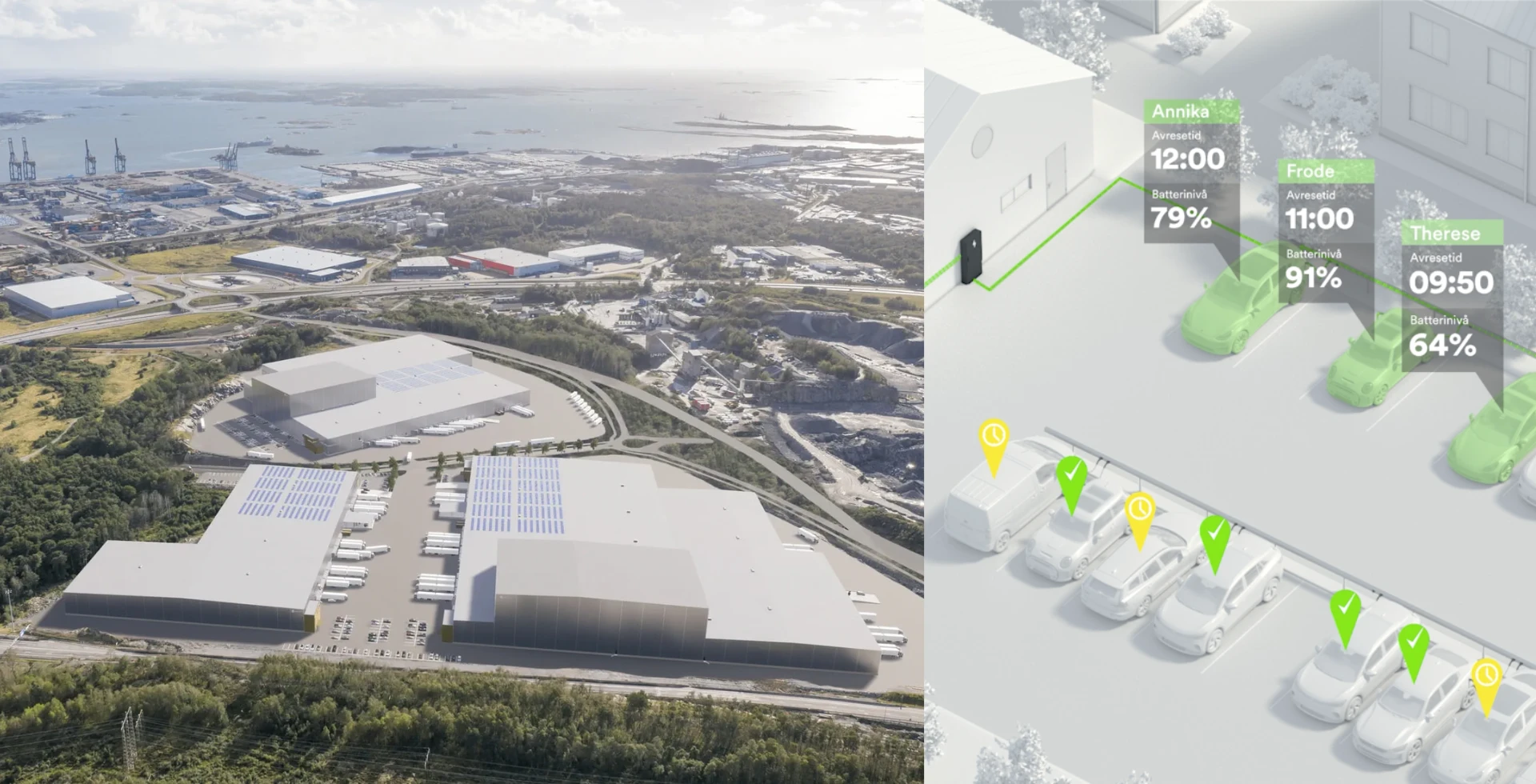
Buddy Energy and ChargeNode create an integrated energy solution in Halvorseng Logistics Park. Solar power, energy storage and smart charging make electrified logistics sustainable and profitable.
Charge Node Europe AB
Neongatan 4B
431 53 Molndal